I Didn't Watch the Finale. I Watched My Group Chat React to the Finale.

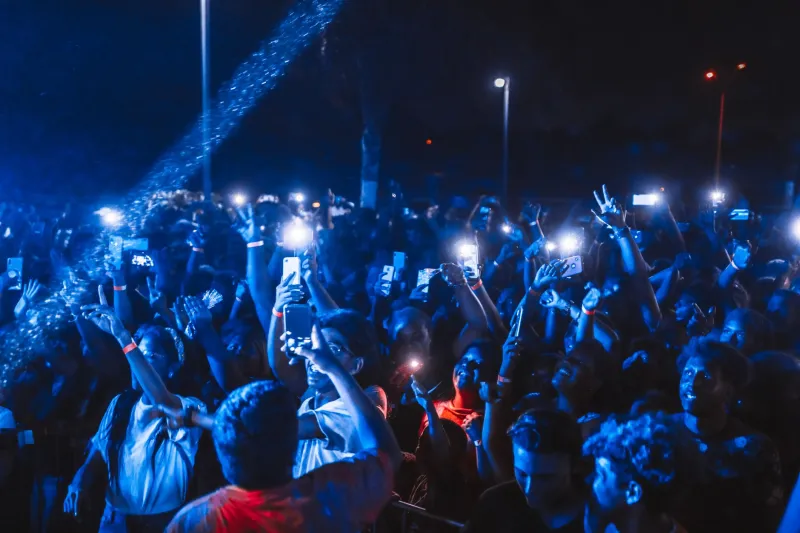
Photo: Mariam elr, CC BY-SA 4.0, via Wikimedia Commons
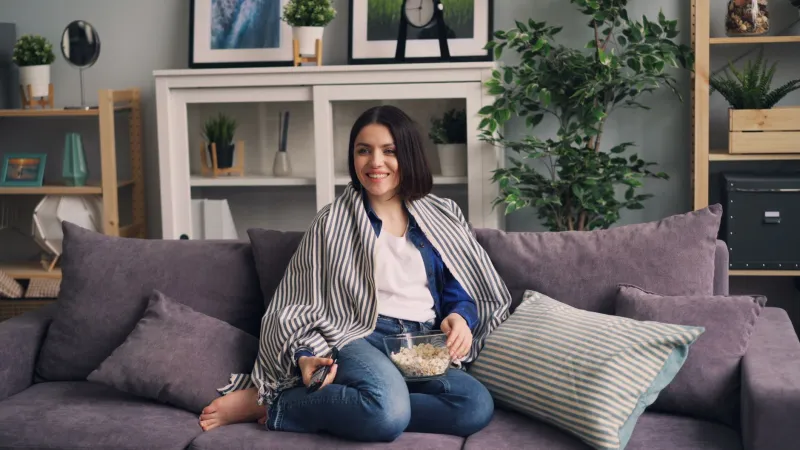
Let me describe my Sunday night. The TV is on. Something is happening on screen—plot, presumably. Characters are saying things. But my eyes keep drifting down to my phone, where the real show is loading in real time: my group chat, six people deep, losing their collective minds in all caps.
The show is fine. The chat is transcendent.
The Second Screen Ate the First Screen
Here's my theory, and I'll die on this hill wearing a robe made of unread notifications: for a huge chunk of American viewers, the group chat reaction economy IS the entertainment. The show is just fuel. Raw material. The thing you consume so you have something to scream about with your people at 10:47 PM.
Think about how you actually experienced the last big cultural moment on TV. Do you remember the episode, or do you remember Devin texting "NOT THE FIRE PIT" in all caps? Do you remember the plot twist, or do you remember your coworker sending a screenshot with the caption "I am unwell"?
The chat is the product. The show is the ad for the chat.
The Flop That Thrived
This explains a weird modern phenomenon: shows that nobody talks about as good but everybody talks about, period. You know the type. Critics shrug. The ratings are murky. But your group chat? On fire. Every week. Screenshots, memes, a running bit about one minor character's jacket.
By any traditional metric, that show flopped. By chat metrics, it's the Super Bowl. And guess what—chat metrics are the ones that actually matter now, because chat metrics are what make a show feel like it's happening. A quiet, well-crafted drama that doesn't generate a single reaction image is functionally invisible. A messy, chaotic show that gives the chat something to chew on weekly? That thing is immortal.
Networks are starting to figure this out, which is why shows are increasingly engineered like pinatas—stuffed with moments designed to burst into screenshots. Plot twists calibrated not for the story but for the quote-tweet. Dialogue written to be a caption.
Watching Alone Is a Different Hobby Entirely
I tried watching a prestige drama without the chat once. Alone. Like a caveman. And you know what happened? I had thoughts. Opinions. Feelings with nowhere to go. It was like singing in a soundproof room. Technically it happened, but did it count?
No. It did not count.
The viewing experience isn't complete until it's been processed communally. This is just the water cooler of yesteryear, compressed and accelerated—except the water cooler happened the morning after, and the chat happens during, which changes everything. We're not discussing art anymore. We're performing a live communal commentary track, and the show is the silent film we're all narrating over.
The Chat Is the Auteur Now
Here's the part that should scare showrunners: the group chat doesn't care about your themes. It cares about the funny uncle character. It has decided, democratically, that the emotional core of your 8-episode meditation on grief is actually a running joke about a background barista. And the chat wins, because the chat is where the show actually lives.
Is this bad? Honestly, no. It's blissful. It's the most fun I've ever had consuming entertainment, and half of it happens on a device my optometrist is concerned about. Television was always a shared experience pretending to be private. Now it's honest about it.
The show is the excuse. The chat is the party.
So no, I won't be watching the next big premiere "properly." I'll be watching it the correct way: one eye on the screen, both thumbs ready, surrounded by people who are also only half-watching. We are all together, alone, in the best way possible.