The Deleted Scene Is a Haunted Bonus Disc and I Keep Buying the Same Ghost
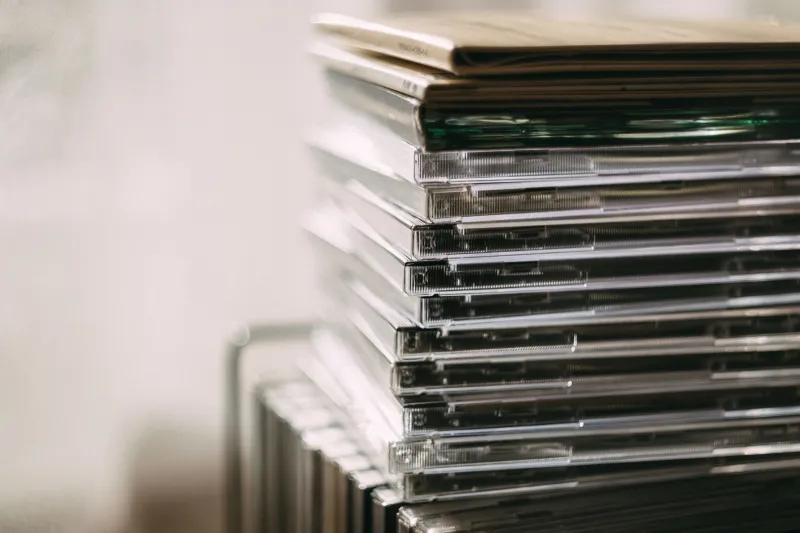
I own the same movie four times. Not because I love it four times more, but because each edition promises a deleted scene that will finally explain the thing I did not understand, fix the thing I did not like, or reveal the movie I was actually owed. This is the deleted-scene economy: a market built on absence, priced like treasure, and delivered in a plastic case with a digital code I will lose before Thanksgiving.
In 2026, the hustle is louder than ever. Boutique labels drop limited-run 4K restorations with alternate cuts. Streaming services file deleted scenes under Extras like unclaimed luggage. TikTok turns a 22-second clip of unfinished CGI into a moral crisis. Somewhere, a guy with a Letterboxd account and a ring light is explaining that the theatrical cut was a studio crime. I am that guy, minus the ring light and the courage.
The Bonus Feature Is a Promise You Cannot Return
A deleted scene is not really a scene. It is a receipt for a different movie. The director's cut says: here is the version where the pacing dies but the theme lives. The extended edition says: here is the version where the subplot makes sense and the runtime does not. The collector's edition says: here is a cardboard sleeve and a mini poster, please stop asking questions.
And we keep buying, because the deleted scene flatters us. It implies there is a smarter version of the movie, and by extension a smarter version of us, waiting on disc two. The theatrical cut is what the masses got. The deleted scene is what the initiated deserve. That is not film criticism. That is a personality quiz with a commentary track.
An Audit of the Buried Treasure
Consider the famous Alien cocoon sequence. It is genuinely unsettling, a wet little nightmare of what the xenomorph does with its spare time. It is also a pacing grenade. The theatrical cut glides; the restored sequence stops to explain the monster's hobbies. As mythology, it is terrifying. As footage, it is a museum exhibit with a gift shop.
Then there is the Star Wars habit of restoring every scrap of Tatooine homework. Biggs and Anchorhead scenes add texture, sure, but they also remind you that worldbuilding is not the same as story. The mystery of who Luke was before the movie is better than a deleted scene where he says goodbye to a guy we never meet in the final cut.
The Shining hospital ending is the platonic ideal of a deleted scene that should stay deleted. It explains too much. It turns a haunted hotel into a customer service issue. Kubrick cut it, and the movie became a myth. The footage survives as trivia, which is exactly where it belongs: in a documentary, not in the movie.
And yes, the Batman v Superman Ultimate Edition is longer, more coherent, and still not a good time. More footage can fix plot logic. It cannot fix vibes. That is the cruelest lesson of the deleted-scene economy: sometimes the missing piece was not the problem.
The TikTok Clip Industrial Complex
In 2026, the deleted scene has a second life as content about content. A grainy clip leaks, gets reposted, gets slowed down, gets a fan edit, gets a hashtag. Suddenly we are not discussing a movie. We are discussing a rumor of a movie. The boutique re-release is the paywall. The TikTok clip is the commercial. The director's vague interview is the trailer.
This is how the economy stays hot. Scarcity is the product. The scene is rare, unfinished, or unreleased, so it feels important. Put it in the movie and it becomes a pacing problem. Leave it out and it becomes a conspiracy. We do not want the footage. We want the feeling that the footage exists.
Why the Myth Always Outperforms the Footage
Deleted scenes are better as mythology because our imaginations are unpaid interns who work for free and never ask for a credit. We imagine the lost subplot as profound. We imagine the alternate ending as brave. Then we watch it and discover it is a guy in a bad wig saying exposition to a coat rack.
The theatrical cut is a closed door. The deleted scene is the key we bought on eBay. Most of the time, the door opens onto a closet. But we keep buying keys, because the possibility is the point. The possibility is nonrefundable. The possibility is also available in a $59.99 limited edition with a booklet.
So here is my modest proposal for the deleted-scene consumer in 2026. Wait 48 hours before buying the upgrade. Watch the clip on YouTube first, preferably in 480p, preferably with a comment section arguing about canon. If the scene features unfinished CGI, treat it as a storyboard with feelings. And never pay full price for a ghost.
Because the deleted-scene economy is not really selling footage. It is selling the belief that your favorite movie has a secret room. Sometimes it does. Mostly, it has a closet. And I will be there, wallet open, whispering that this time the closet will be Narnia.